
Every brain learns in its own way. Cognitive science shows that students process and use information through diverse pathways, and these differences shape how reading, writing, and problem-solving skills develop. Learning difficulties are not a sign of low ability. They reflect unique processing patterns that can be supported with the right instruction.
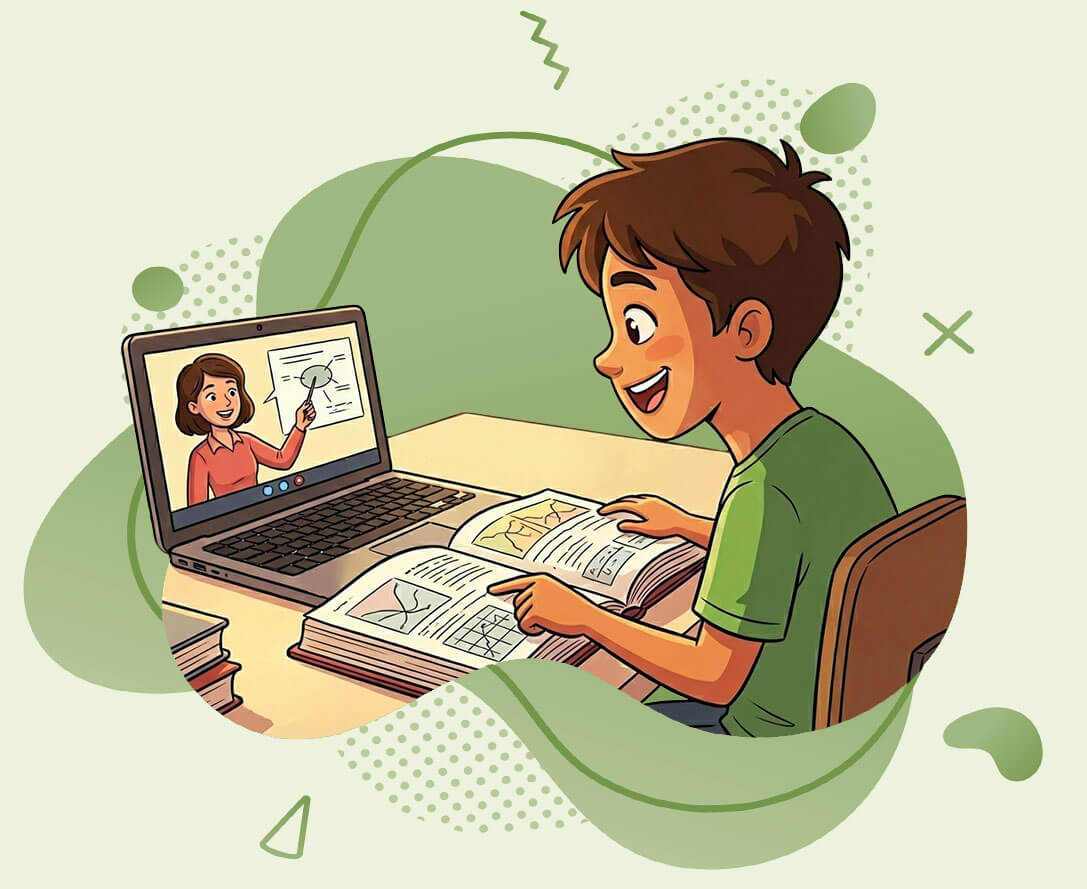
Human brains do not learn in identical ways. Cognitive psychology and neuroscience consistently show that learners process, store, and retrieve information through diverse pathways that reflect natural variation in neurological development. Learning differences are not indicators of low intelligence or effort; rather, they reflect differences in how individuals acquire academic skills.
Some learners develop reading and writing skills with minimal support, while others require explicit, systematic instruction and more time to build automaticity. Understanding these processing differences is essential for designing effective instruction and promoting confidence.
The neurodiversity framework recognizes that differences such as dyslexia, ADHD, and executive-function challenges are natural variations in cognition. Research from Yale, Cambridge, UBC, and the University of Toronto documents that many neurodivergent individuals demonstrate strengths in creativity, reasoning, big-picture thinking, storytelling, spatial reasoning, and problem-solving.
At Phonology Dyslexia Tutoring, we honour these strengths and use them to support strategy use, engagement, and self-efficacy.
A learning difficulty describes an ongoing challenge acquiring academic skills, such as reading, spelling, writing, or mathematics, despite average or above-average intelligence and access to instruction. These challenges arise from differences in information processing, not motivation or effort.
In Canada and the UK, “learning difficulty” is the educational term. Clinically, the DSM-5 uses the term Specific Learning Disorder (SLD), which includes:
While often used interchangeably, the terms reflect different contexts:
Both aim to ensure learners receive appropriate support.
Dyslexia
Dysgraphia
Dyscalculia
ADHD / Attention Regulation
Executive Function Difficulties
Learning profiles often overlap. A comprehensive assessment clarifies patterns and guides appropriate intervention.
Emotional factors often accompany learning differences. Research shows that learners with ongoing academic difficulties may develop reduced self-efficacy or anxiety. Evidence-based instruction that integrates self-regulation, reflection, and goal-setting improves both performance and emotional resilience.
Our approach incorporates validated self-regulation tools, such as:
This dual focus improves both competence and confidence.
For bilingual and multilingual learners, early reading or spelling challenges may reflect linguistic transfer rather than a learning disorder. Research on orthographic transparency shows that languages vary in how consistently letters map onto sounds.
Valid assessment must account for the learner’s linguistic background, exposure, and instructional history. We specialize in interpreting multilingual profiles to ensure accurate, culturally responsive recommendations.
English has complex spelling patterns, morphological influences, and many irregular words. This increases cognitive load for decoding and spelling, especially for:
Research supports explicit instruction in phonics, morphology, spelling conventions, and strategic reading/writing processes for learners in English.
Evidence-based practice integrates:
Widely validated approaches include:
These are supported by clinical, educational, and cognitive research.
A learning difficulty is not a limitation. It is information that guides more effective, strategic learning.
Look for persistent challenges in literacy, attention, or organization.
A psychoeducational evaluation clarifies why learning is difficult.
We translate assessment data into actionable insights.
Evidence-based intervention and self-regulation tools address the learner’s needs.
Small, sustained improvements build motivation and long-term success.
Learning difficulties become easier to navigate when they are clearly understood and thoughtfully addressed. A free consultation offers the opportunity to discuss learning concerns, clarify next steps, and explore evidence-based support tailored to the learner’s unique profile.